

Global Brand Companies
01 / 04Brand Asset and Supply ChainCollaboration Across Channels and Markets
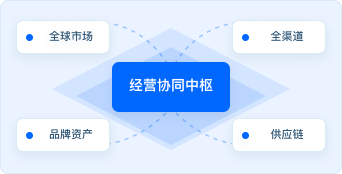
Strategic Positioning
For global brands, cross-border e-commerce groups, manufacturing-trade businesses, and omnichannel trade companies, Binjiang connects products, channels, orders, supply chain, warehousing, logistics, finance, and analytics so global trade runs in one continuously evolving digital operating system.
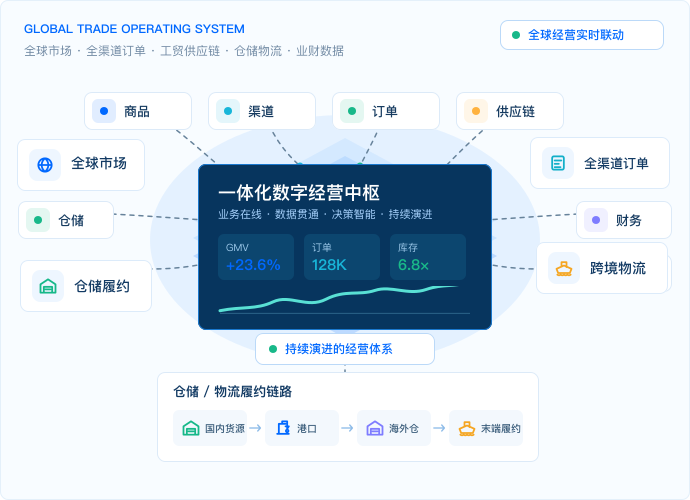
Four Global Operating Models · SELF IDENTIFICATION
Global Market → Business Operations → Data Decisions → Sustainable Growth
Global Brand Companies
01 / 04
Cross-border E-commerce Groups
02 / 04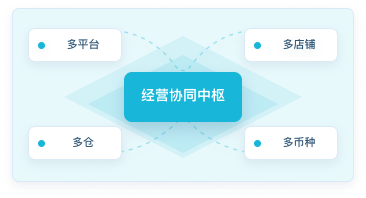
'%3e%3cg%20filter='url(%23filter0_d_137_1921)'%3e%3cpath%20d='M25%207C25.5523%207%2026%207.44772%2026%208V26C26%2026.5523%2025.5523%2027%2025%2027H5C4.44772%2027%204%2026.5523%204%2026V14C4%2013.6435%204.18973%2013.3137%204.49805%2013.1348C4.80634%2012.9559%205.18663%2012.955%205.49609%2013.1318L11%2016.2764V12C11%2011.6435%2011.1897%2011.3137%2011.498%2011.1348C11.8063%2010.9559%2012.1866%2010.955%2012.4961%2011.1318L18%2014.2764V8C18%207.44772%2018.4477%207%2019%207H25ZM20%2016C20%2016.3565%2019.8103%2016.6863%2019.502%2016.8652C19.1937%2017.0441%2018.8134%2017.045%2018.5039%2016.8682L13%2013.7227V18C13%2018.3565%2012.8103%2018.6863%2012.502%2018.8652C12.1937%2019.0441%2011.8134%2019.045%2011.5039%2018.8682L6%2015.7227V25H24V9H20V16ZM12%2022C12.5523%2022%2013%2022.4477%2013%2023C13%2023.5523%2012.5523%2024%2012%2024H9C8.44772%2024%208%2023.5523%208%2023C8%2022.4477%208.44772%2022%209%2022H12ZM19%2022C19.5523%2022%2020%2022.4477%2020%2023C20%2023.5523%2019.5523%2024%2019%2024H16C15.4477%2024%2015%2023.5523%2015%2023C15%2022.4477%2015.4477%2022%2016%2022H19Z'%20fill='white'/%3e%3c/g%3e%3c/g%3e%3cdefs%3e%3cfilter%20id='filter0_d_137_1921'%20x='-8'%20y='-1'%20width='46'%20height='44'%20filterUnits='userSpaceOnUse'%20color-interpolation-filters='sRGB'%3e%3cfeFlood%20flood-opacity='0'%20result='BackgroundImageFix'/%3e%3cfeColorMatrix%20in='SourceAlpha'%20type='matrix'%20values='0%200%200%200%200%200%200%200%200%200%200%200%200%200%200%200%200%200%20127%200'%20result='hardAlpha'/%3e%3cfeOffset%20dy='4'/%3e%3cfeGaussianBlur%20stdDeviation='6'/%3e%3cfeColorMatrix%20type='matrix'%20values='0%200%200%200%200.035%200%200%200%200%200.2%200%200%200%200%200.4%200%200%200%200.08%200'/%3e%3cfeBlend%20mode='normal'%20in2='BackgroundImageFix'%20result='effect1_dropShadow_137_1921'/%3e%3cfeBlend%20mode='normal'%20in='SourceGraphic'%20in2='effect1_dropShadow_137_1921'%20result='shape'/%3e%3c/filter%3e%3cclipPath%20id='clip0_137_1921'%3e%3crect%20width='32'%20height='32'%20fill='white'/%3e%3c/clipPath%3e%3c/defs%3e%3c/svg%3e)
Manufacturing-trade Companies
03 / 04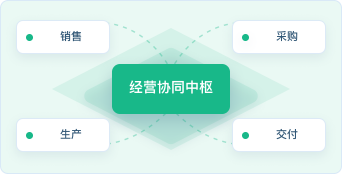

Omnichannel Trade Groups
04 / 04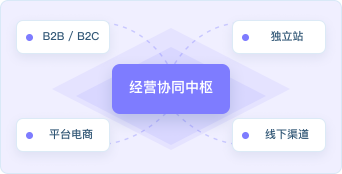
Operational Challenges From Scale · RMB 500M+ GMV

As scale expands, tools are fragmented and data cannot move across systems.

Multiple channels run in parallel, while orders, inventory, and fulfillment struggle to align.

Supply and demand information is opaque, making stockouts and inventory pressure appear together.

Cross-border currencies and complex cost allocation make true profit difficult to calculate.

Teams calculate with different standards, so cross-team numbers fail to reconcile.

Fragmented data is hard to consolidate, limiting the value of intelligent analysis.
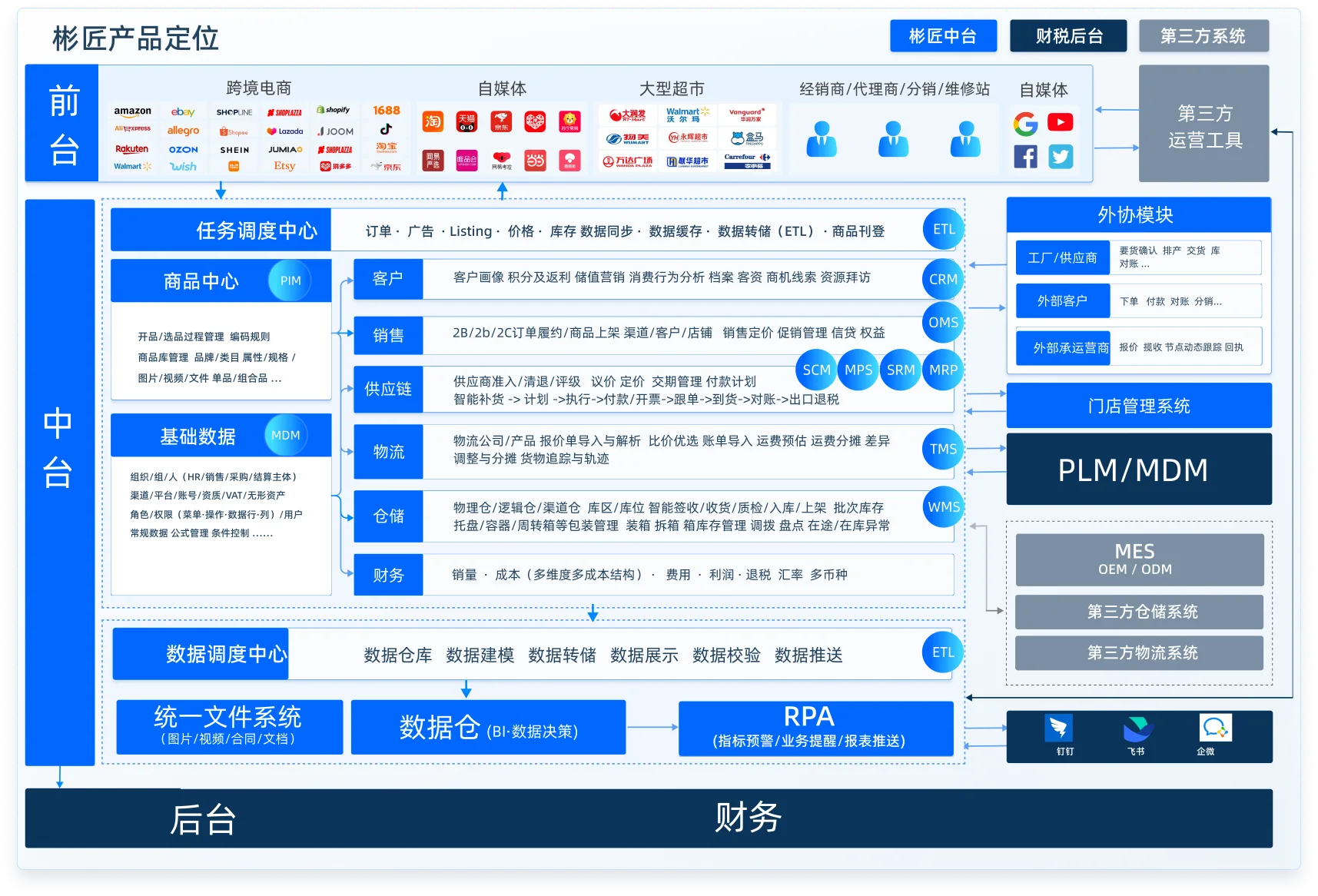
Trade Digital Operating Blueprint
Global Trade Solution
For multi-platform, multi-store, multi-warehouse, multi-carrier, and multi-system collaboration, Binjiang uses an API connection center and ecosystem adaptation layer,connecting product, order, inventory, fulfillment, tracking, cost, and settlement data into a stable entry for the business platform, BI, and AI.

Connect cross-border platforms, offline retailers, and owned sites,unifying products, orders, prices, and inventory.
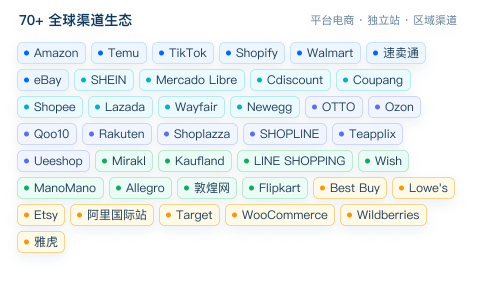

Binjiang connects nearly one hundred logistics APIs,covering rates, orders, labels, tracking, exceptions, and bills.

Connect overseas warehouses and 3PL fulfillment providers,synchronizing inventory, in/outbound, returns, and costs.
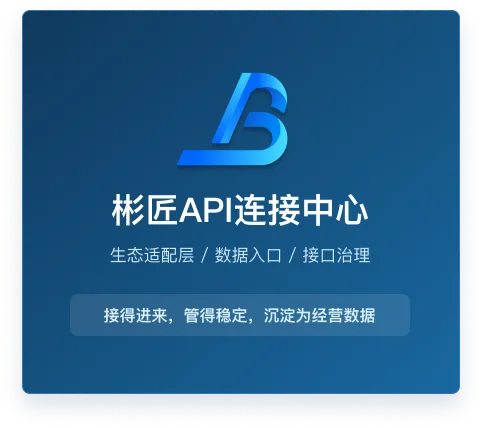
External ecosystems no longer stop at API access. They enter the enterprise's unified operating chain.
Four Trade Scenario Paths
Global brands, cross-border e-commerce groups, manufacturing-trade businesses, and omnichannel trade groups operate differently,but all need unified business objects, processes, data definitions, and operating decisions.

From channel sales to global operations
Global channels and brand product management,with inventory collaboration and operating analytics.
Support brands across markets and channels,with unified product and operating definitions.

From scattered operations to unified management
Multiple platforms, stores, and warehouses,with multi-currency and multi-cost accounting.
Move group operations beyond isolated teams,into unified workflows and finance definitions.

Coordinate sales front end with supply chain back end
Sales forecasting and procurement planning,with production and supply chain fulfillment.
Connect sales, procurement, production, and delivery,into a traceable collaboration loop.

Bring different channels into one operating system
Platforms, independent sites, B2B, and offline dealers,with managed operations in one system.
Let different channels settle into one set ofbusiness, finance, and data definitions.
Different operating models share the same business, data, and intelligence capabilities, combined by scenario and customized by enterprise.
Operating Value
Bring business, supply chain, finance, data, and AI into one continuously evolving digital operating system.

Bring multiple platforms, channels, and organizations into one operating system.

Connect procurement, inventory, warehousing, and logistics collaboration.

Convert business results into unified finance definitions.

Visualize operating metrics in real time and surface issues early.

AI lands on real processes, data, and scenarios instead of staying in demos.
Delivery and Long-term Service
With consulting-style product managers, deep customization, and IT managed service, Binjiang takes companies from business blueprint to system rollout,and continues upgrading operating capabilities as strategy, organization, processes, and data evolve.

Clarify business models, roles, and process gaps,then define data metrics and growth goals.

Output process maps, system boundaries, and integrations,then confirm data models and phased paths.

Complete configuration, deep customization, and API integration,then validate permissions and testing.

Support new businesses, channels, and organizations,continuously upgrading system capabilities.

Support business cutover, user training, and issue handling,forming monitoring and issue closure loops.

Unify master data, metric definitions, and historical data,then complete migration, validation, and reporting.

When a company enters new markets, channels, organizations, or business models, system capabilities should evolve with it.This is Binjiang's service logic: let systems adapt to enterprises, instead of forcing enterprises to adapt to systems.
 Continuous Adaptation
 Operating Assets
 Long-term Evolution
Connect global markets, business chains, supply chains, finance, and data intelligence,building digital operating capabilities that can keep evolving with the enterprise.